Reading
Books that shaped a culture
Not a reading list. A record.
The Curriculum
Six books shaped our culture more than any others. The essay below tells the full story.
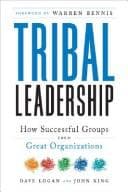
Tribal Leadership
Dave Logan, John King & Halee Fischer-Wright · 2008
Read reflection →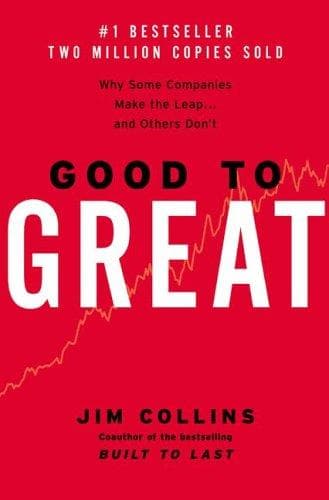
Good to Great
Jim Collins · 2001
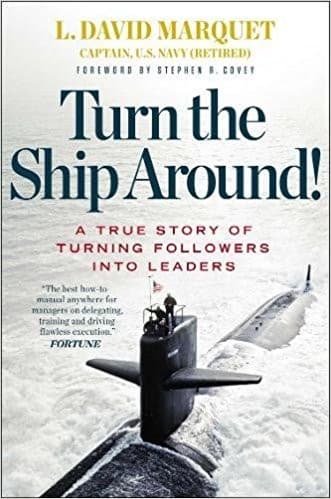
Turn the Ship Around!
L. David Marquet · 2013
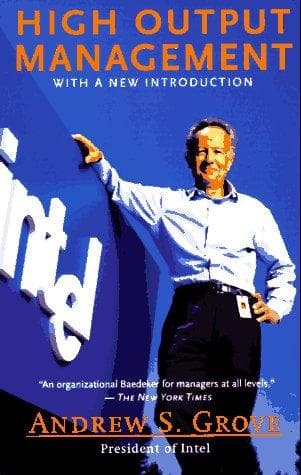
High Output Management
Andrew S. Grove · 1983
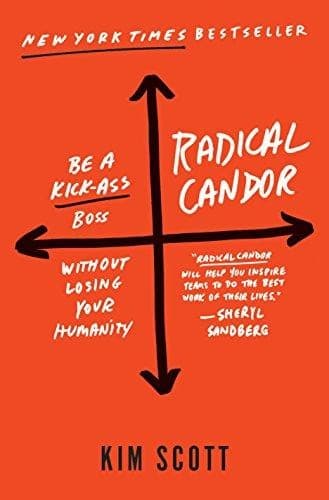
Radical Candor
Kim Scott · 2017
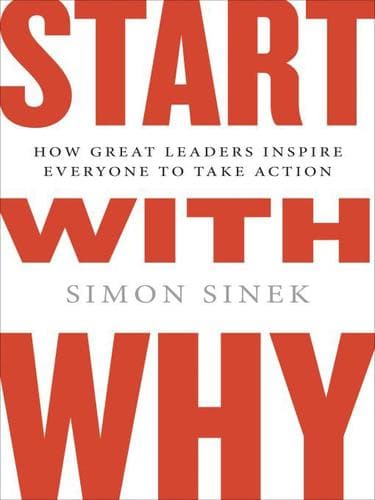
Start with Why
Simon Sinek · 2009
The books on this page are not a reading list. They are a record.
Semify was founded in 2008 as a digital marketing firm specializing in SEO. For the first several years, we were a company that worked hard, cared about our clients, and struggled — as most companies do — to find our footing. We had talented people. We had a real service. What we did not yet have was a culture with the depth and coherence to sustain the kind of growth we were capable of.
That changed in 2016.
Beginning that year, we made a deliberate decision to invest in our culture the way serious organizations invest in their products: with rigor, with resources, and with the humility to admit that we did not yet fully know what we were building toward. We started reading together. Not individually, in isolation, the way most professionals consume business books — but as a team, chapter by chapter, on company time, in rooms where the conversation mattered as much as the content. These books were the curriculum. The book clubs were the community.
 What happened next was not magic. It was the flywheel that Jim Collins describes in Good to Great — each turn barely perceptible, the accumulation decisive. A shared language emerged. The way we gave feedback changed. The way we talked about our work changed. The way we hired, the way we led, the way we disagreed and repaired and recommitted — all of it shifted, slowly and then unmistakably, in the direction of something we had not been able to manufacture through any conventional management approach.
 Dave Logan, John King, and Halee Fischer-Wright gave us the map in Tribal Leadership — the five stages of cultural development, the language patterns that signal each one, and the specific moves required to ascend from Stage Three's "I'm great" orientation to Stage Four's genuinely collective "we're great." That framework became the backbone of everything that followed. To this day — after Semify's acquisition by private equity in December 2021 — the team continues to administer the Tribal Leadership Survey Instrument on a quarterly basis. Not because anyone requires it. Because the team believes in it. Culture became something we measured and protected deliberately, not a byproduct of good intentions.
 L. David Marquet showed us what it looked like to systematically dismantle command-and-control leadership and replace it with something better. Andy Grove gave us the operational machinery to make that aspiration real.
 Jim Collins gave us the long view — the patience to trust the flywheel, the discipline to stay focused on what mattered, and the clarity to understand that greatness is built through the accumulation of right decisions made by the right people over time. Collins also introduced us to the practice of Autopsies Without Blame — the disciplined examination of what went wrong, conducted without judgment or defensiveness. Paired with the language training we had built through Tribal Leadership, this practice took root in a way we never anticipated. The team has now conducted hundreds of them. It became one of the most concrete expressions of the culture we were building: the belief that honest examination of failure is not a threat to belonging — it is one of its highest expressions.
 Kim Scott's Radical Candor did something that most feedback frameworks never attempt: it put caring first. The phrase is widely remembered as a license for bluntness — permission to say the hard thing. But that reading misses the point entirely. Without genuine care for the person sitting across from you, direct challenge is not candor. It is aggression. At Semify, reading this together forced an honest reckoning with how much of our feedback had been offered without the foundation that makes it land as investment rather than verdict. The shift that followed — toward a culture where hard feedback was understood as an expression of belief in people, not a judgment against them — began not with learning to challenge more directly, but with learning to care more genuinely.
The rest of the books on this page extend that foundation in every direction: into the neuroscience of decision-making, the psychology of motivation, the practice of honest feedback, the discipline of strategic focus, the courage required to lead well, and the humility required to keep learning. Many of them were read together as a team. All of them shaped how we thought about the work and the people doing it.
This is not a list of books that made Semify successful. Success is a lagging indicator and its causes are always complex. This is a list of books that made us better — better at understanding each other, better at telling the truth, better at building something worth belonging to.
That, in the end, is what this collection represents. Not a library. A culture in print.
The Full Collection
109 books. Listed alphabetically. The ones with a reflection link have a longer write-up; the others are part of the record.
- 2000The Art of Possibility · Rosamund & Benjamin Zander
- 2018Becoming · Michelle Obama
- 2021Being You · Anil Seth
- 2005Blink · Malcolm Gladwell
- 2016The Book of Joy · Dalai Lama, Desmond Tutu & Douglas Abrams
- 2016Born a Crime · Trevor Noah
- 2019Brave New Work · Aaron Dignan
- 2017Braving the Wilderness · Brené Brown
- 2008Breakthrough Company · Keith McFarland
- 2020Breath · James Nestor
- 2018The Challenge Culture · Nigel Travis
- 2017Collaborating with the Enemy · Adam Kahane
- 2008
- 2021Connect · David Bradford & Carole Robin
- 2002Crucial Conversations · Patterson, Grenny, McMillan & Switzler
- 2018Culture Code · Daniel Coyle
- 1999The Culture of Fear · Barry Glassner
- 2018Dare to Lead · Brené Brown
- 1999Deep & Simple · Bo Lozoff
- 2010Delivering Happiness · Tony Hsieh
- 2016Designing Your Life · Bill Burnett & Dave Evans
- 2009Drive · Daniel H. Pink
- 2022The Earned Life · Marshall Goldsmith
- 2024The End of Race Politics · Coleman Hughes
- 2020Ending Parkinson's Disease · Dorsey, Sherer, Okun & Bloem
- 2018Enlightenment Now · Steven Pinker
- 2014Essentialism · Greg McKeown
- 2018Farsighted · Steven Johnson
- 2018The Fearless Organization · Amy Edmondson
- 2017Find Your Why · Simon Sinek, David Mead & Peter Docker
- 2012Free Will · Sam Harris
- 2022From Strength to Strength · Arthur C. Brooks
- 2018Gap Selling · Keenan
- 2012Get a Grip · Gino Wickman & Mike Paton
- 2001Getting Things Done · David Allen
- 2013Give and Take · Adam Grant
- 2016The Golden Rules · Bob Bowman
- 2001Good to Great · Jim Collins
- 2016Grit · Angela Duckworth
- 2007Happier · Tal Ben-Shahar
- 2022Happier Hour · Cassie Holmes
- 2010The Happiness Advantage · Shawn Achor
- 2014The Hard Thing About Hard Things · Ben Horowitz
- 1983High Output Management · Andrew S. Grove
- 2019How to Be an Antiracist · Ibram X. Kendi
- 2017How to Be Heard · Julian Treasure
- 2019Indistractable · Nir Eyal
- 1984Influence · Robert B. Cialdini
- 2022Influence Is Your Superpower · Zoe Chance
- 1997The Innovator's Dilemma · Clayton Christensen
- 2006iWoz · Steve Wozniak
- 2017Kingdom of Happiness · Aimee Groth
- 2014Leaders Eat Last · Simon Sinek
- 2020Leadership Is Language · L. David Marquet
- 2014Lean B2B · Étienne Garbugli
- 2015Life Is Good: The Book · Bert & John Jacobs
- 2022The Light We Carry · Michelle Obama
- 2018Listen Up or Lose Out · Robert & Dorothy Bolton
- 2023Losing Ourselves · Arthur C. Brooks
- 2018Lost and Founder · Rand Fishkin
- 2017Meditation for Fidgety Skeptics · Dan Harris & Jeff Warren
- 2012A Mindful Nation · Tim Ryan
- 2010The Moral Landscape · Sam Harris
- 1958Nature, Man and Woman · Alan W. Watts
- 2010No Excuses · Brian Tracy
- 2008No Limits · Michael Phelps
- 2021Noise · Daniel Kahneman, Olivier Sibony & Cass Sunstein
- 2003Nonviolent Communication · Marshall B. Rosenberg
- 2022Number One Is Walking · Steve Martin & Harry Bliss
- 2009Ordinary Injustice · Amy Bach
- 2016Originals · Adam Grant
- 2008Outliers · Malcolm Gladwell
- 2012The Pause Principle · Kevin Cashman
- 2019Permission to Feel · Marc Brackett
- 2017The Power of Moments · Chip Heath & Dan Heath
- 2012Quiet · Susan Cain
- 2017Radical Candor · Kim Scott
- 2019Range · David Epstein
- 2010Rework · Jason Fried & David Heinemeier Hansson
- 1994Sales Bible · Jeffrey Gitomer
- 2015Saving Capitalism · Robert B. Reich
- 2023Scaling People · Claire Hughes Johnson
- 2012Search Inside Yourself · Chade-Meng Tan
- 2009Start With Why · Simon Sinek
- 2012The Startup Owner's Manual · Steve Blank & Bob Dorf
- 2017The Startup Way · Eric Ries
- 2010Switch · Chip Heath & Dan Heath
- 1999Tao of Abundance · Laurence G. Boldt
- 2021Think Again · Adam Grant
- 2011
- 2012To Sell Is Human · Daniel H. Pink
- 2016Together Is Better · Simon Sinek
- 2008Total Leadership · Stewart Friedman
- 2008
- 2016A Truck Full of Money · Tracy Kidder
- 2013Turn the Ship Around! · L. David Marquet
- 2016Under New Management · David Burkus
- 2023The Unsold Mindset · Colin Coggins & Garrett Brown
- 2014Waking Up · Sam Harris
- 2014War Room · Michael Kelley
- 1985We're All Doing Time · Bo Lozoff
- 2007What Got You Here Won't Get You There · Marshall Goldsmith
- 2018When · Daniel H. Pink
- 2018White Fragility · Robin DiAngelo
- 2010Win Forever · Pete Carroll
- 2019Wolfpack · Abby Wambach
- 2019The World Could Be Otherwise · Norman Fischer
- 2013You Are a Badass · Jen Sincero
- 2000The Zen of Listening · Rebecca Shafir